 Hloriso Mohale
Top 4 Books for Cross-Platform Software Development
Four books worth putting on your shelf if you build web, mobile and desktop apps from a single codebase — covering .NET, Flutter and the engineering habits underneath both.

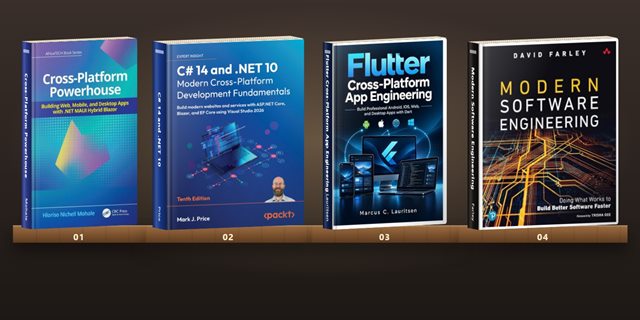
I'm often asked which books to read before building apps for web, mobile and desktop from a single codebase. No single book covers it, because cross-platform is really three problems: the language and runtime, the UI toolkit, and the engineering habits that stop the whole thing collapsing as it grows. These four cover all three.
Full disclosure: No. 1 is my own book, so weigh that recommendation accordingly.
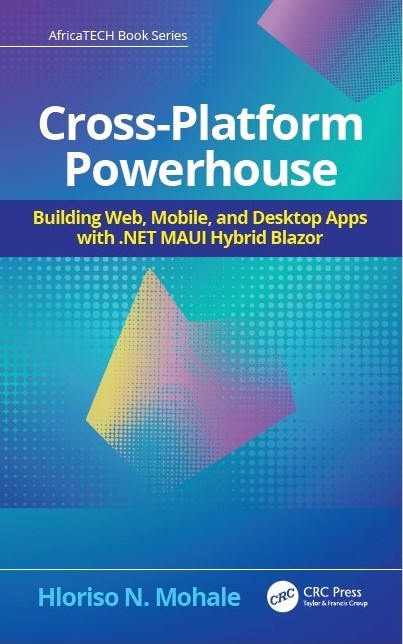
Cross-Platform Powerhouse
Hloriso Nichell Mohale · CRC Press, AfricaTECH Book Series
Building web, mobile and desktop apps with .NET MAUI Hybrid Blazor. You write your UI once in Razor components and host it in a native shell on each platform, so the website and the app-store version share the same screens.
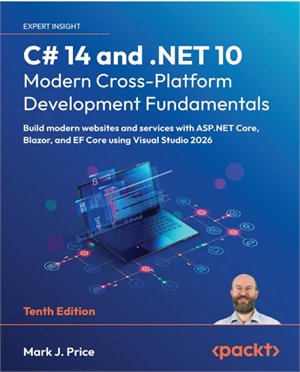
C# 14 and .NET 10: Modern Cross-Platform Development Fundamentals
Mark J. Price · Packt, Tenth Edition
Before any UI framework comes the language and the runtime. This edition covers the current C# and .NET releases and builds sites and services with ASP.NET Core, Blazor and EF Core, using Visual Studio 2026. It is the base that makes every other .NET book easier to follow.
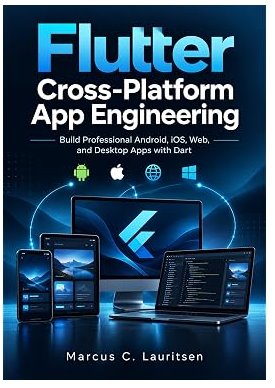
Flutter Cross-Platform App Engineering
Marcus C. Lauritsen
The main alternative to the .NET route. Flutter and Dart target Android, iOS, web and desktop from one codebase, and this book approaches the topic as engineering a professional app. Even if you work in .NET, it shows how a different cross-platform model makes its trade-offs.

Modern Software Engineering
David Farley · Pearson, foreword by Trisha Gee
Subtitled Doing What Works to Build Better Software Faster, this book has nothing to do with a specific platform, and that is why it earns a place. Targeting five platforms multiplies your complexity, and working in small steps, testing early and shipping continuously are what keep that complexity manageable.
Where to start
If you are new to .NET, begin with No. 2 for the fundamentals, then move to No. 1 to put them to work across web, mobile and desktop. If you are weighing Flutter, No. 3 is your starting point. Read No. 4 alongside any of them.
Which cross-platform book changed how you build? I'd like to know what belongs on this shelf, so tell me on LinkedIn.